
Automotive Mirror Blog - Sanyo Industries
Industry News & Articles

Automotive Mirror Industry Blog & Technical Insights

Expert articles on manufacturing, maintenance, and vehicle mirrors

View Products Contact Us
Side Mirror Manufacturing Articles
Technical Guides

Side Mirror Manufacturing & OEM Fitment Guides

Discover technical details behind commercial and passenger side mirrors

Explore Range Request Quote
Inner Rearview Mirror Blog Insights
Rearview Solutions

Inner Rearview Mirror Maintenance & Innovations

Insights into optical clarity, durability, and driver safety

View Inner Mirrors Get Quote
0%

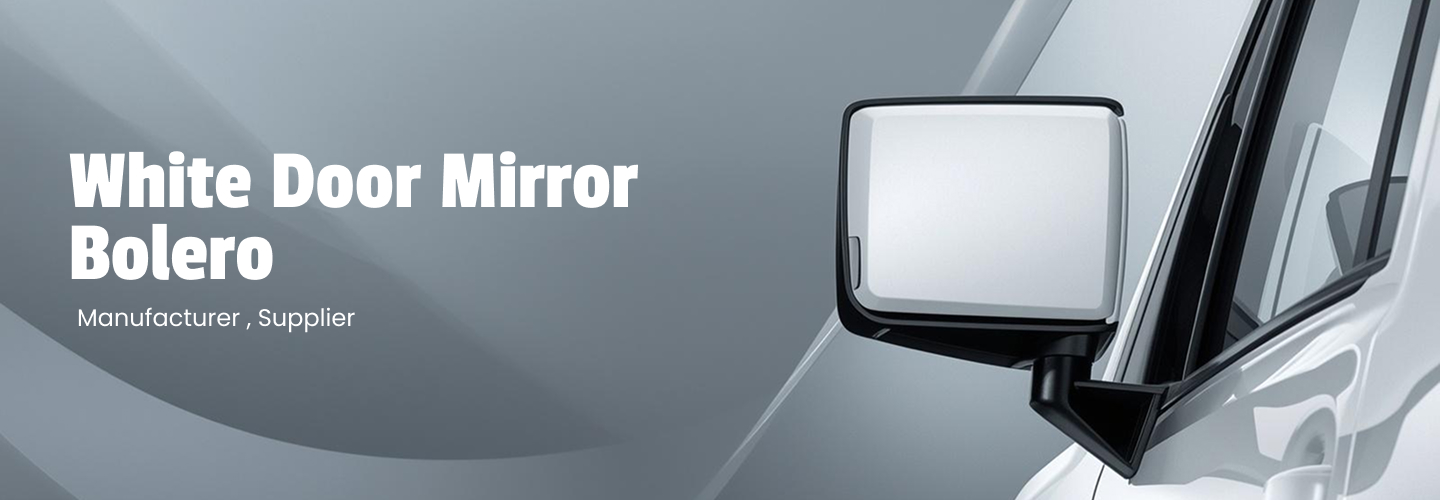
Choosing the right Mahindra Bolero Door Mirror in 2026 takes more than comparing prices. Global buyers need to match the mirror to the vehicle’s model year, trim, side, and mounting points. Small differences matter. A mirror that looks correct online may not fit the door or connect to the vehicle’s adjustment system. Check the product description against your vehicle details, and ask the seller to confirm compatibility when information is unclear.

Look closely at the glass, housing, and adjustment method. Manual and electrically adjusted versions are not always interchangeable. Neither are left-side and right-side units. For vehicles used on rough roads, a firmly secured housing and clear, stable glass can make everyday checks easier. Shipping distance also matters; replacement parts may face longer delivery times or limited return options. Read those terms before ordering. It is a simple step.

This guide explores practical features, fitment checks, and buying considerations for international customers. It does not treat one mirror as the best choice for every Bolero. That would be too easy—and not very useful. Availability and specifications can vary by market, vehicle configuration, and seller, so verify details with the manufacturer or a qualified parts supplier. A careful match can save time, avoid an unnecessary return, and help restore a clear view beside the vehicle.
2026 Best Mahindra Bolero Door Mirror for Global Buyers?

Mahindra Bolero Door Mirror: Purpose and Key Components

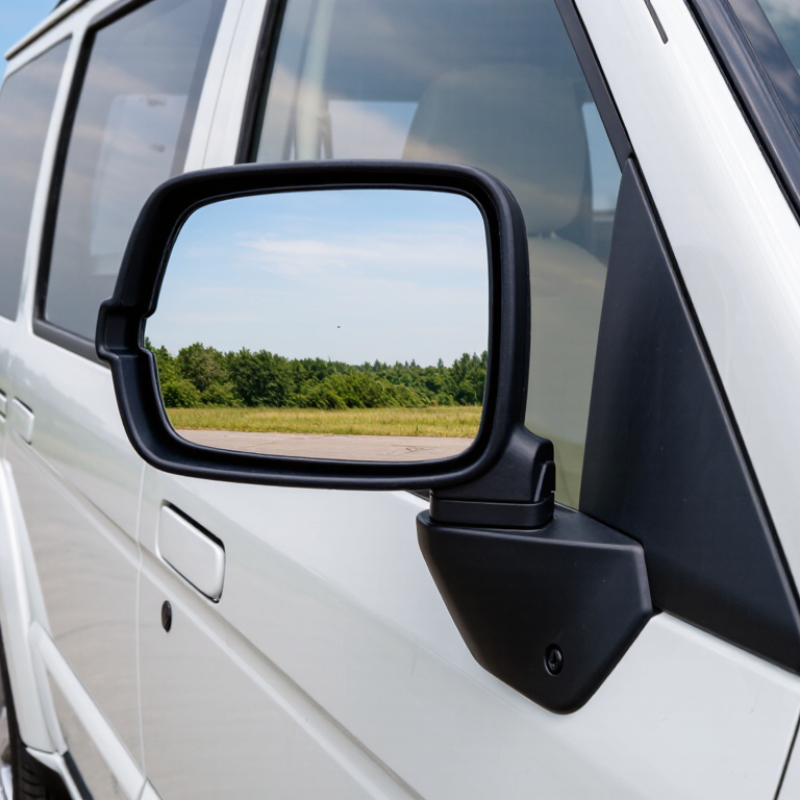
A door mirror does more than show the road behind. It helps drivers judge passing traffic, curb distance, and the position of motorcycles or pedestrians. On a utility vehicle, a broad mirror glass and stable mounting base matter on rough roads. The main parts are the reflective glass, outer housing, pivot or adjustment joint, and mounting base. Some versions also include electric adjustment, heating, or an integrated indicator. These features vary by trim, so confirm the connector and mounting pattern before ordering.

Fit is not a small detail. A loose joint can make the reflected image shake over corrugated ground, while poorly aligned glass leaves a stubborn blind area. The Highway Loss Data Institute’s 2017 analysis found blind-spot warning systems were associated with 14% fewer property-damage liability claims and 23% fewer bodily-injury liability claims.

Those figures concern electronic warnings, not mirrors alone. Still, they underline the value of checking adjacent traffic. The National Highway Traffic Safety Administration recorded 42,514 U.S. road deaths in 2022; that figure does not identify mirror-related causes, but it gives useful safety context.

A mirror is not a cure. Check the view from the driver’s seat, and remember that a replacement may feel slightly different even when it fits.

Bolero Model Compatibility and Mirror Variations

Bolero door mirrors can differ by model year, trim, and market, so appearance alone is not enough to confirm fit. Check the vehicle’s registration documents or existing mirror before ordering. Note the production year, left or right side, mounting shape, and adjustment method. Small details matter.

Compare the mirror’s base with the door’s mounting area. The number and position of fixing points should match, and the electrical connector must suit the vehicle’s wiring if adjustment is powered. Manual and powered versions may look similar from outside. They are not always interchangeable. Also confirm whether the glass, housing, and folding mechanism are included, since listings may describe different assemblies.

Left-hand-drive and right-hand-drive vehicles can use different mirror angles, even when the housings appear alike. A clear photo of the old unit, its connector, and its mounting points can help a supplier check compatibility. Ask for confirmation against the exact year and variant, rather than relying on a broad model label. Fitment descriptions can be imperfect, and sometimes the vehicle’s market version changes the details.

Door Mirror Variations and Compatibility Checks

This general feature comparison is not vehicle-specific fitment data. Before ordering, confirm the mirror’s mounting points, connector, adjustment method, side, model year, and market specification.

Choosing a Mirror for Different Global Markets

Choosing a door mirror for a rugged utility vehicle starts with the market and the vehicle’s exact configuration. Traffic direction affects which side needs the clearest view, while narrow streets and crowded work sites may favor a compact housing. Small details matter. Check the mounting points, arm shape, connector, and adjustment method against the vehicle before ordering. A mirror that looks similar can still sit at the wrong angle or leave gaps around the door.

Climate and daily use also shape the choice. In wet or dusty regions, a firmly sealed housing and stable glass can help maintain a clear view. Heated glass may be useful in cold conditions, but only when the vehicle’s wiring supports it. On rough roads, a secure hinge matters; frequent folding can loosen a weak mechanism. Fit comes first. Wider glass can reveal more of the lane, yet distant vehicles may look smaller, so the driver should test the view from the normal seat position. Confirm the correct side, finish, and applicable market specifications with a qualified parts supplier. One universal mirror is rarely ideal, and catalog descriptions can miss small differences between vehicle versions.

2026 Best Utility Vehicle Door Mirror for Global Buyers? — Choosing a Mirror for Different Global Markets

Market Traffic Side Typical Steering Position Door-Mirror Selection Considerations Regulatory and Fitment Checks
United States Right-hand traffic Left-hand drive Confirm the driver-side mirror is positioned for the left-hand driving seat. Check whether the passenger-side mirror is flat or convex, and whether it carries any required warning text. Check the applicable requirements of Federal Motor Vehicle Safety Standard No. 111 for the vehicle type and configuration. Confirm mirror glass, field of view, mounting, and any required marking.
European Union and European Economic Area Generally right-hand traffic; some countries drive on the left Usually left-hand drive; right-hand-drive vehicles are also used in some markets Choose the mirror arrangement for the vehicle’s steering position and destination country. Verify the required field of view and whether the vehicle uses additional wide-angle or close-proximity mirrors. Check the applicable vehicle approval and indirect-vision requirements, including UNECE Regulation No. 46 where applicable. Approval details depend on vehicle category and market.
United Kingdom Left-hand traffic Right-hand drive is typical Confirm that the mirror assembly is designed for a right-hand-drive layout. Check the driver-side viewing area, adjustment range, and visibility from the normal seating position. Verify current UK requirements and the vehicle’s approval status. Do not assume that a mirror approved for another market automatically meets UK requirements.
India Left-hand traffic Right-hand drive is typical Match the assembly to the right-hand-drive configuration. For hot, dusty, or wet operating conditions, buyers may also compare available adjustment, heating, folding, and water-shedding features. Check applicable Indian vehicle standards and local registration requirements. Confirm mounting points, electrical connectors, and features against the specific vehicle version.
Australia Left-hand traffic Right-hand drive is typical Prioritize a right-hand-drive mirror layout and suitable visibility for local roads. Confirm whether the vehicle version requires or uses additional mirrors for its category or body design. Check applicable Australian Design Rules and state or territory inspection requirements. Approval and equipment requirements can vary by vehicle category and use.
Japan Left-hand traffic Right-hand drive is typical Confirm compatibility with the right-hand-drive position and the vehicle’s original mounting and adjustment arrangement. Check visibility, folding clearance, and any integrated electrical functions. Check applicable Japanese safety and vehicle-inspection requirements. Confirm that the complete assembly, including any integrated signal or camera, is suitable for the destination vehicle.
South Africa Left-hand traffic Right-hand drive is typical Use a mirror configuration intended for a right-hand-drive vehicle. Compare the required field of view and durability for the intended urban, highway, or commercial use. Verify local homologation, roadworthiness, and vehicle-specific fitment requirements before ordering or installation.

Buyer checklist: Confirm the vehicle’s model year, body style, steering position, trim, mounting points, connector type, mirror adjustment method, and required safety approval. Market practices are typical rather than universal; verify the exact vehicle and destination-market requirements before purchase.

OEM and Aftermarket Options for Buyers

For a Bolero door mirror, the choice between an OEM replacement and an aftermarket option depends on fit, features, and budget. An OEM part is generally intended to match the vehicle’s original mounting points and functions. It can be a sensible choice when a precise replacement matters. Aftermarket mirrors may offer more price options, but specifications and finish can vary between suppliers.

Check the model year, door side, adjustment type, and connector before ordering. Compare the mirror’s mounting base and number of electrical pins with the existing unit. If the vehicle has powered adjustment or a heating function, confirm that the replacement supports it. A clear product photo helps, but it cannot confirm every detail. Ask the seller to verify compatibility using the vehicle’s identification details.

One detail is easy to miss. A mirror may fit the door yet lack a feature you rely on. For international purchases, also check packing quality, delivery time, and the return process before paying. Scratches, cracked glass, and loose adjustment joints are worth checking as soon as the parcel arrives. The lowest price is not always the best value; still, paying more does not guarantee a perfect match. Compare the actual specifications carefully.

Installation, Adjustment, and Ongoing Care

A dependable door mirror starts with a careful fit, not a tight grip. Park on level ground and compare the replacement unit with the original: mounting points, connector shape, and glass size should match. Protect the painted door with a soft cloth. Remove the inner trim gently, since hidden clips can crack when pried at an angle. Take your time. Seat the mirror evenly, then tighten fasteners gradually. Do not force it. If wiring is present, follow the vehicle’s service instructions and check that the connector locks fully.

Adjust the glass while seated in your normal driving position. Set the side view so only a narrow strip of the vehicle is visible, with the horizon near the middle. Ask someone to move behind the parked vehicle if you need a clear reference. A common oversight is adjusting from outside the cabin; the view can feel right there and wrong from the driver’s seat. Small checks matter. Confirm any powered movement and heating functions, when equipped, before replacing the trim.

For ongoing care, wipe the glass with a clean microfiber cloth and mild cleaner. Avoid pressing hard near the edges. Check the housing after rough roads or a minor bump, and listen for new vibration at speed. It is tempting to call the job finished once the mirror looks straight, but a loose fastener may reveal itself later. Recheck the mounting and adjustment after a few drives; record any persistent play or distorted view for a qualified technician.

FAQS

What should I check before choosing a door mirror?

Compare the mounting points, arm shape, connector, and adjustment method with your vehicle’s configuration. A similar-looking mirror may still fit poorly.

How does the market affect mirror selection?

Traffic direction and local driving conditions can affect which side needs the clearest view. Narrow streets may favor a compact housing.

Is wider mirror glass always better?

Wider glass may show more of the lane, but distant vehicles can appear smaller. Check the view from your normal driving position.

When is heated mirror glass useful?

It can help in cold conditions, but only if the vehicle’s wiring supports it. Confirm the connector before installation.

How should I prepare for mirror installation?

Park on level ground and compare the replacement with the original unit. Protect the painted door with a soft cloth.

How can I avoid damaging the door trim?

Remove the inner trim gently because hidden clips can crack if pried at an angle. Take your time.

How should I adjust the mirror?

Sit in your usual driving position. Leave only a narrow strip of the vehicle visible, with the horizon near the middle.

How do I check the mirror after installation?

Test powered movement and heating, if equipped. Recheck the fasteners and adjustment after a few drives; a mirror can look straight yet still vibrate.

What care does a door mirror need?

Clean the glass with a microfiber cloth and mild cleaner. Check for loose fittings or a distorted view after rough roads. Small checks matter.

Conclusion

The Mahindra Bolero Door Mirror is an important visibility component that helps drivers monitor surrounding traffic and maneuver with greater awareness. Its main parts typically include the mirror glass, housing, mounting points, and adjustment mechanism. The correct replacement depends on the vehicle’s model and configuration, since mirror shape, mounting style, adjustment features, and left- or right-side placement may vary. Buyers should confirm compatibility before choosing a part, especially when sourcing for vehicles used in different regions, where road layouts, weather, and driving conditions can influence the preferred mirror design.

When comparing original-equipment and aftermarket options, consider fit, materials, adjustment range, and overall durability rather than appearance alone. A suitable mirror should attach securely and provide a clear view. Installation should follow the vehicle’s service guidance, with care taken not to damage mounting points or wiring on equipped versions. After fitting, adjust the mirror from the normal driving position and check that it stays stable. Periodic cleaning and inspection can help maintain visibility and identify looseness or damage early.

Isabella

Isabella

Isabella is a dedicated marketing professional with a profound expertise in our company's products and services. With a passion for conveying complex concepts in an accessible manner, she regularly updates our professional blog, sharing insights and updates that highlight the core of our business.......